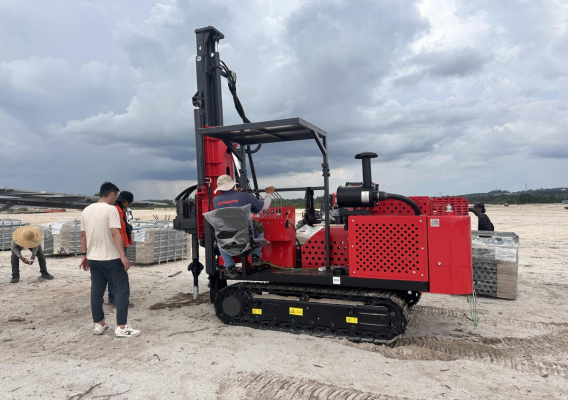
Kontraktor EPC sering bertanya:“Sekrup tanah atau tiang heliks — mana yang sebaiknya kita gunakan?”Jawabannya bukan tentang mana yang lebih baik — itu tergantung pada kondisi lokasi, persyaratan beban, dan kendala proyekMemilih sistem yang tepat memengaruhi kecepatan pemasangan, biaya, dan stabilitas jangka panjang. Memahami perbedaan antara kedua jenis pondasi tersebut membantu tim EPC merencanakan dengan lebih efisien dan menghindari kesalahan umum.1. Memahami Faktor-Faktor LokasiSebelum membandingkan sistem pondasi, pertimbangkan hal-hal berikut: Jenis tanah: lapisan seragam, campuran, kerikil, atau berbatu Persyaratan beban: Struktur tenaga surya ringan vs fondasi baja berat atau fondasi industri Aksesibilitas situs: Bisakah rig atau peralatan besar mencapai area tersebut? Garis waktu proyek: mendesak vs fleksibel Faktor-faktor ini sering menentukan jenis pondasi yang paling sesuai untuk sebuah proyek, bukan hanya produknya saja.2. Sekrup Tanah: Cepat, Efisien, dan Dapat Digunakan KembaliSekrup tanah unggul dalam tanah datar dengan tanah yang seragam, khususnya untuk proyek-proyek di mana kecepatan dan gangguan minimal menjadi prioritas.Keuntungan: Tidak ada beton → waktu pengeringan nol Instalasi cepat → produktivitas harian lebih tinggi Gangguan minimal pada lokasi → cocok untuk lingkungan yang sensitif Mudah dilepas → dapat digunakan kembali dan berkelanjutan Cocok untuk: Energi surya terdistribusi, struktur sementara atau semi-permanen, proyek jalur cepat.3. Tiang Pancang Heliks: Andal di Tanah yang KompleksTiang pancang heliks menyediakan dukungan yang lebih kuat dan mendalam di mana tanahnya campuran, berbatu, atau dekat batuan dasar. Pelat heliksnya meningkatkan daya dukung dan ketahanan terhadap penurunan.Keuntungan: Kapasitas beban lebih tinggi Penetrasi lebih dalam untuk stabilitas. Performa yang dapat diprediksi melalui pemantauan torsi. Mengurangi risiko penyelesaian jangka panjang Cocok untuk: medan yang tidak rata, fondasi industri, proyek tenaga surya beban tinggi.4. Kontrol Torsi: Kunci yang Sering TerabaikanKualitas pemasangan sangat penting. Bahkan tiang pancang terbaik pun dapat berkinerja buruk jika torsi tidak terkontrol. Torsi yang tidak stabil dapat menyebabkan: Kapasitas daya dukung yang tidak akurat Permukiman tidak merata Kesulitan memverifikasi persyaratan desain Solusi Tezhong: Keluaran torsi yang stabil, rotasi yang terkontrol, dan pemantauan waktu nyata untuk memastikan setiap tiang pancang memenuhi spesifikasi teknik.5. Perspektif Biaya: Jangka Pendek vs Jangka Panjang Sekrup pembumian berfungsi untuk: Waktu pemasangan, tenaga kerja, material → ideal untuk proyek yang serba cepat dan hemat biaya. Tiang pancang heliks menghemat: Pengerjaan ulang, risiko struktural, pemeliharaan jangka panjang → ideal untuk proyek-proyek kompleks dan bernilai tinggi Peralatan juga penting — mesin yang andal mengurangi kesalahan, meningkatkan kecepatan, dan memastikan kualitas yang konsisten, terutama pada proyek EPC skala kecil hingga menengah atau lokasi dengan akses terbatas.6. Memilih Yayasan yang TepatPanduan singkat untuk tim EPC: Tanah seragam + pemasangan cepat → Sekrup Tanah Tanah campuran + beban tinggi → Tiang Heliks Jika ragu, lakukanlah instalasi uji dengan pengukuran torsi untuk memastikan kinerja.Tezhong merekomendasikan: Menilai kondisi tanah, menentukan beban, menguji torsi, memilih sistem yang tepat, dan menggunakan peralatan yang stabil dan terkontrol. Hal ini memastikan setiap tiang pancang memberikan keandalan di dunia nyata dan keberhasilan proyek.👉 Hubungi Tezhong untuk mendiskusikan proyek tenaga surya Anda dan mengoptimalkan solusi pondasi Anda..



 Jaringan IPv6 didukung